


Oilseeds
Rapeseed
Customs codes
Product
HS code
Description
Rapeseed
120510
Low erucic acid rapeseed
Other rapeseed
120590
Other rapeseed
Rapeseed meal
230641
Oilcake from rapeseed
Quality standards
Rapeseed quality in Ukraine is regulated by DSTU 4966:2008, which defines limits for moisture, impurities, and damaged seeds. Unlike cereals, rapeseed does not have strict class divisions and is evaluated based on key parameters. In international trade, GAFTA and ISO contract specifications are used, where oil content, moisture, and impurities are the main quality indicators.
Quality standards
DSTU 4966:2008

Parameter
Limit
Moisture (%)
≤ 8.0
Foreign matter (%)
≤ 3.0
Oilseed admixture (%)
≤ 7.0
Damaged seeds (%)
≤ 10.0
Infestation
Not allowed
Odor
Typical for sound seed
About culture
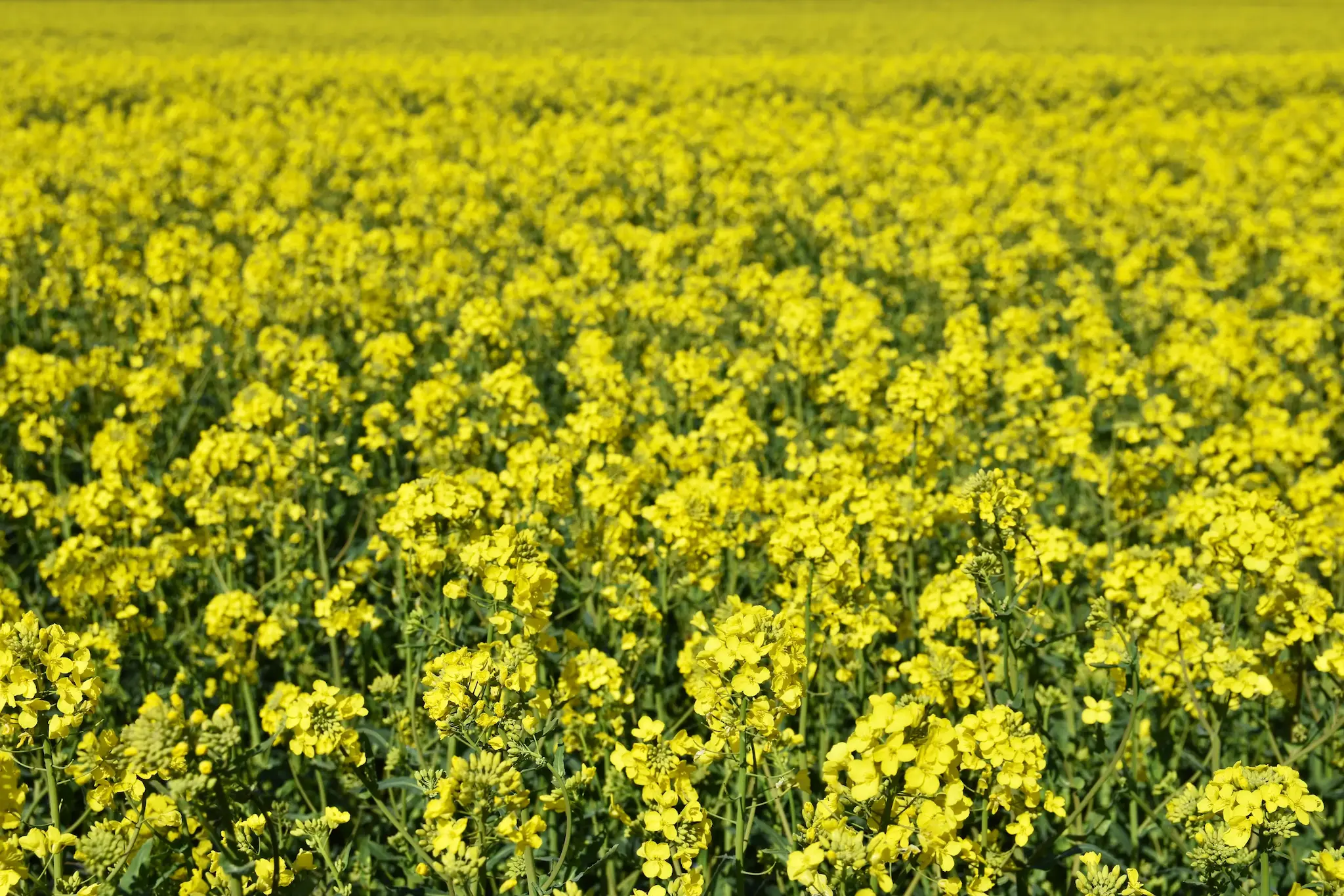
Rapeseed is one of the main oilseed crops globally and an important raw material for vegetable oil and biodiesel production. It is widely used in food, feed, and energy industries. Ukraine is among the largest exporters of rapeseed, particularly to the European market. Due to its high oil content, rapeseed is strategically important for agriculture.
Planting and care
Rapeseed is cultivated in two forms — winter and spring, with winter rapeseed being more productive. The crop requires fertile soils, adequate moisture, and proper cultivation practices. Key factors include variety selection, weed and pest control, and proper plant nutrition.
Harvesting
Rapeseed is harvested at full maturity when seed moisture reaches optimal levels. It is important to avoid losses due to pod shattering. After harvesting, seeds are cleaned and dried to safe moisture levels. Proper post-harvest handling preserves oil content and commercial quality.