


Cereals
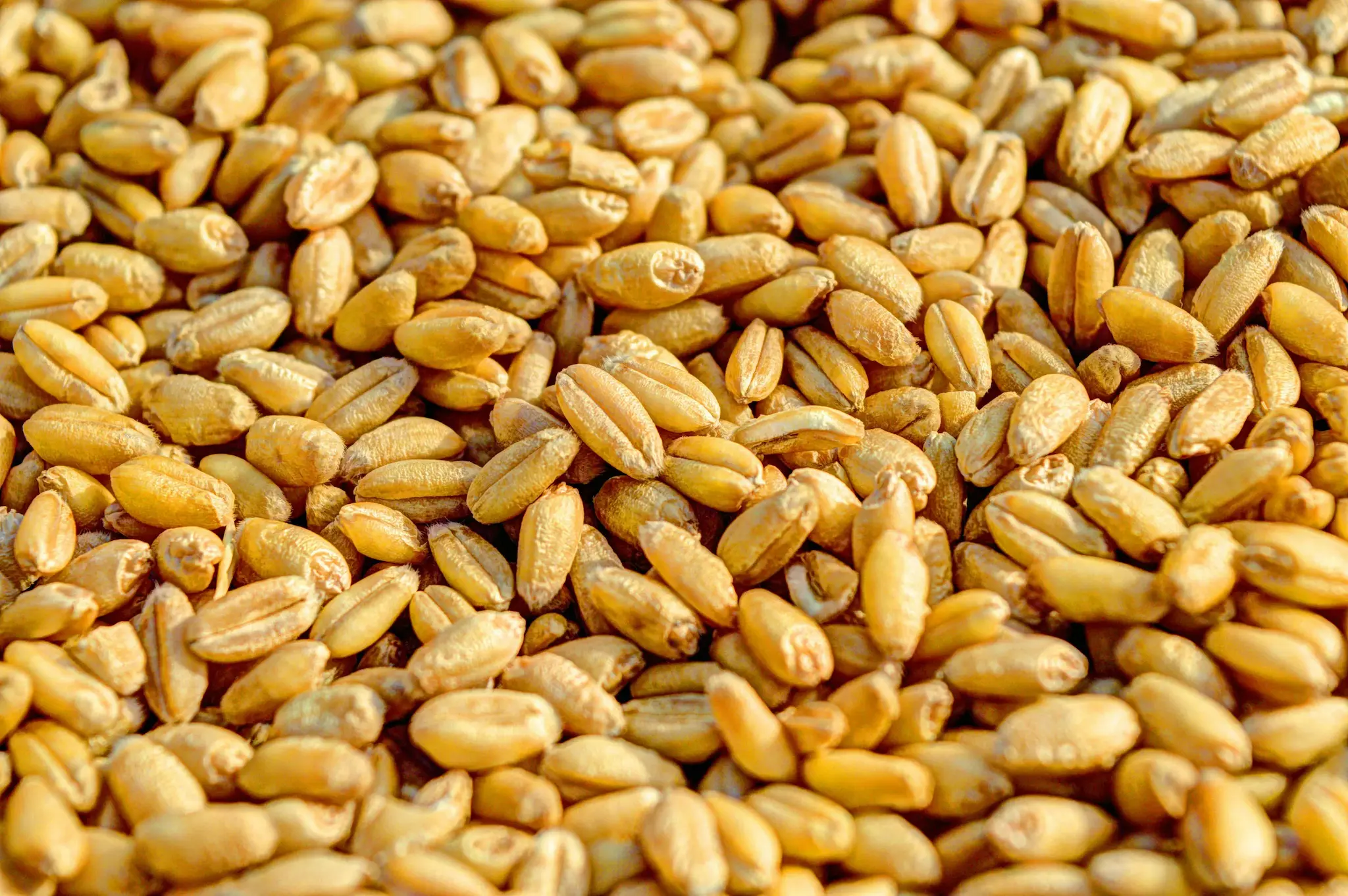
Soft Wheat
Customs codes
Product
HS code
Description
Soft wheat (grain)
100199
Wheat and meslin, excluding durum wheat
Wheat for sowing
100191
Wheat for sowing
Wheat flour
110100
Wheat or meslin flour
Quality standards
Soft wheat must comply with established quality standards regulating physical, chemical, and technological grain parameters. In Ukraine, the primary standard is DSTU 3768:2019, which defines grain quality classes. In international trade, GAFTA and ISO standards are commonly applied, setting requirements for moisture, protein content, impurities, and other parameters. The grain must be sound, clean, free from foreign odors, pests, and signs of spoilage.
Quality standards
DSTU 3768:2019

Parameter
Class 1
Class 2
Class 3
Moisture (%)
≤ 14.0
≤ 14.0
≤ 14.5
Protein (%)
≥ 14.0
≥ 12.5
≥ 11.0
Gluten (%)
≥ 28
≥ 23
≥ 18
Falling number (sec)
≥ 220
≥ 180
≥ 150
Foreign matter (%)
≤ 2.0
≤ 2.0
≤ 3.0
Grain admixture (%)
≤ 5.0
≤ 5.0
≤ 8.0
Test weight (g/l)
≥ 760
≥ 740
≥ 720
About culture
Soft wheat is one of the most important cereal crops in the world, primarily used for flour production, bakery products, and feed. It holds a leading position in global agricultural production and is a key commodity in international trade. In Ukraine, soft wheat is a strategic crop that accounts for a significant share of grain exports. Due to its high yield, adaptability to various climates, and stable demand, it remains a fundamental product of the agricultural market.
Planting and care
Wheat is cultivated in two main forms — winter and spring. Winter wheat is more common as it provides higher yields due to better use of moisture and a longer growing period. The crop requires fertile soils, adequate moisture levels, and sufficient sunlight. Key aspects of cultivation include timely fertilization, control of weeds, pests, and diseases, as well as proper crop rotation to maintain soil fertility.
Harvesting
Wheat is harvested at full grain maturity, typically during the summer season. Timely harvesting is essential to prevent yield losses and quality deterioration caused by weather conditions or grain shedding. After harvesting, the grain is cleaned, dried to standard moisture levels, and stored under appropriate conditions. Proper post-harvest handling is crucial for maintaining product quality and ensuring successful trade on both domestic and international markets.